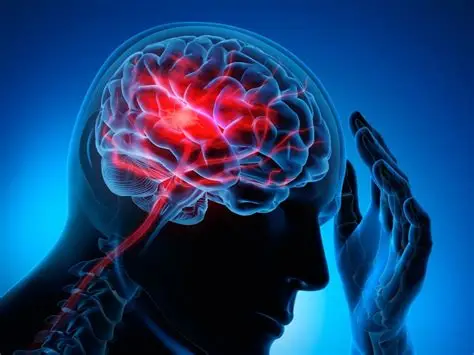
Stroke
What is Stroke?
A stroke is a medical emergency that occurs when the blood flow to a part of the brain is interrupted or reduced, depriving brain tissue of oxygen and nutrients. Within minutes, brain cells begin to die, which is why early detection and timely treatment are critical. Strokes are mainly of two types — ischemic, caused by a clot or blockage in the brain’s blood vessels, and hemorrhagic, which occurs when a blood vessel bursts and causes bleeding in the brain. A temporary episode called a transient ischemic attack, or mini-stroke, may resolve on its own but serves as an important warning sign.
Causes and Risk Factors
The causes of stroke are closely linked to conditions such as high blood pressure, diabetes, high cholesterol, and heart disease. Lifestyle factors like smoking, alcohol use, obesity, and lack of physical activity also contribute significantly to the risk. Anyone with these conditions should remain vigilant, as stroke often develops suddenly and without prior warning.
Recognizing Symptoms
Recognizing the symptoms early can save lives. Common warning signs include sudden weakness or numbness, usually on one side of the body, difficulty speaking or understanding speech, loss of balance or coordination, blurred vision, and sudden severe headache. Acting quickly in these moments can make the difference between full recovery and long-term disability.
Possible Complications
If not treated promptly, stroke can lead to severe consequences such as permanent paralysis, communication difficulties, memory loss, or even death. Long-term complications can leave patients dependent on others for daily activities, deeply affecting their quality of life.
Treatment and Medications
Stroke treatment depends on the type and severity of the condition. For ischemic stroke, thrombolytic medications (clot-busting drugs) may be administered to restore blood flow if given within the critical time window. In certain cases, minimally invasive procedures may be performed to remove blockages. Hemorrhagic strokes are managed by controlling bleeding, reducing pressure in the brain, and sometimes surgery. Beyond emergency care, rehabilitation therapies including physiotherapy, speech therapy, and occupational therapy play an essential role in recovery. Medications such as blood thinners, cholesterol-lowering drugs, and medicines for blood pressure or diabetes are often prescribed to prevent future strokes.
Stroke Care with Dr. Megha Sharda
At Accord Superspecialty Hospital, Dr. Megha Sharda provides advanced and personalized stroke care. Her approach combines emergency treatments like thrombolytic therapy with long-term rehabilitation that includes physiotherapy, speech therapy, and cognitive support. Beyond medical care, she guides patients and families through lifestyle changes to prevent recurrence, ensuring comprehensive support throughout recovery. With timely intervention and compassionate care, many patients are able to regain independence and return to a fulfilling life.