Epilepsy
What is Epilepsy?
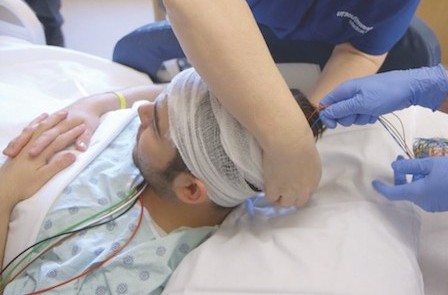
Epilepsy is a chronic neurological disorder characterized by recurrent, unprovoked seizures caused by abnormal electrical activity in the brain. These seizures can vary in intensity, ranging from brief lapses of awareness or muscle jerks to prolonged convulsions. Epilepsy can affect people of all ages, though it often begins in childhood or later adulthood. It is one of the most common neurological conditions worldwide and can have a profound impact on an individual’s lifestyle and confidence.
Causes and Risk Factors
Epilepsy may develop due to a wide range of factors. Brain injuries, strokes, infections such as meningitis or encephalitis, tumors, or developmental disorders can all contribute to its onset. In many cases, however, the exact cause remains unknown. Genetics also play a role, with certain inherited traits making individuals more susceptible. Risk factors like lack of sleep, alcohol use, stress, and flashing lights can act as triggers, increasing the likelihood of a seizure in someone who is predisposed.
Recognizing Symptoms
The symptoms of epilepsy largely depend on the type of seizure experienced. Generalized seizures may cause sudden loss of consciousness, stiffening or jerking of the body, and confusion after the episode. Focal seizures may result in unusual sensations, staring spells, or repetitive movements while the person remains partially aware. Some seizures are so subtle that they may be mistaken for daydreaming or momentary lapses in attention. Because symptoms can vary widely, epilepsy is often misunderstood and underdiagnosed.
Possible Complications
If epilepsy is not properly managed, it can lead to serious health risks. Injuries may occur during seizures due to falls or accidents. Frequent seizures can interfere with education, employment, and independence, contributing to emotional distress, anxiety, or depression. In rare cases, uncontrolled epilepsy may lead to life-threatening conditions like status epilepticus (a prolonged seizure) or sudden unexpected death in epilepsy (SUDEP). Early diagnosis and consistent treatment are crucial to preventing these complications.
Treatment and Medications
Epilepsy treatment focuses on controlling seizures and improving quality of life. Anti-seizure medications (ASMs) are the first line of therapy and successfully manage seizures in many patients. For those who do not respond to medication, options such as vagus nerve stimulation (VNS), ketogenic diet, or even surgical interventions may be considered. Lifestyle changes, regular sleep, stress management, and adherence to medication schedules are essential in preventing seizure recurrence. With modern therapies, most people with epilepsy can live full and active lives.
Epilepsy Care with Dr. Megha Sharda
At Accord Superspecialty Hospital, Dr. Megha Sharda offers expert diagnosis and management of epilepsy, tailored to each patient’s condition. She combines advanced medical treatments with patient education and counseling, ensuring individuals and their families understand the condition and its management. Her compassionate approach, coupled with access to the latest therapies like VNS and neurorehabilitation, empowers patients to manage seizures effectively and regain confidence in their daily lives.